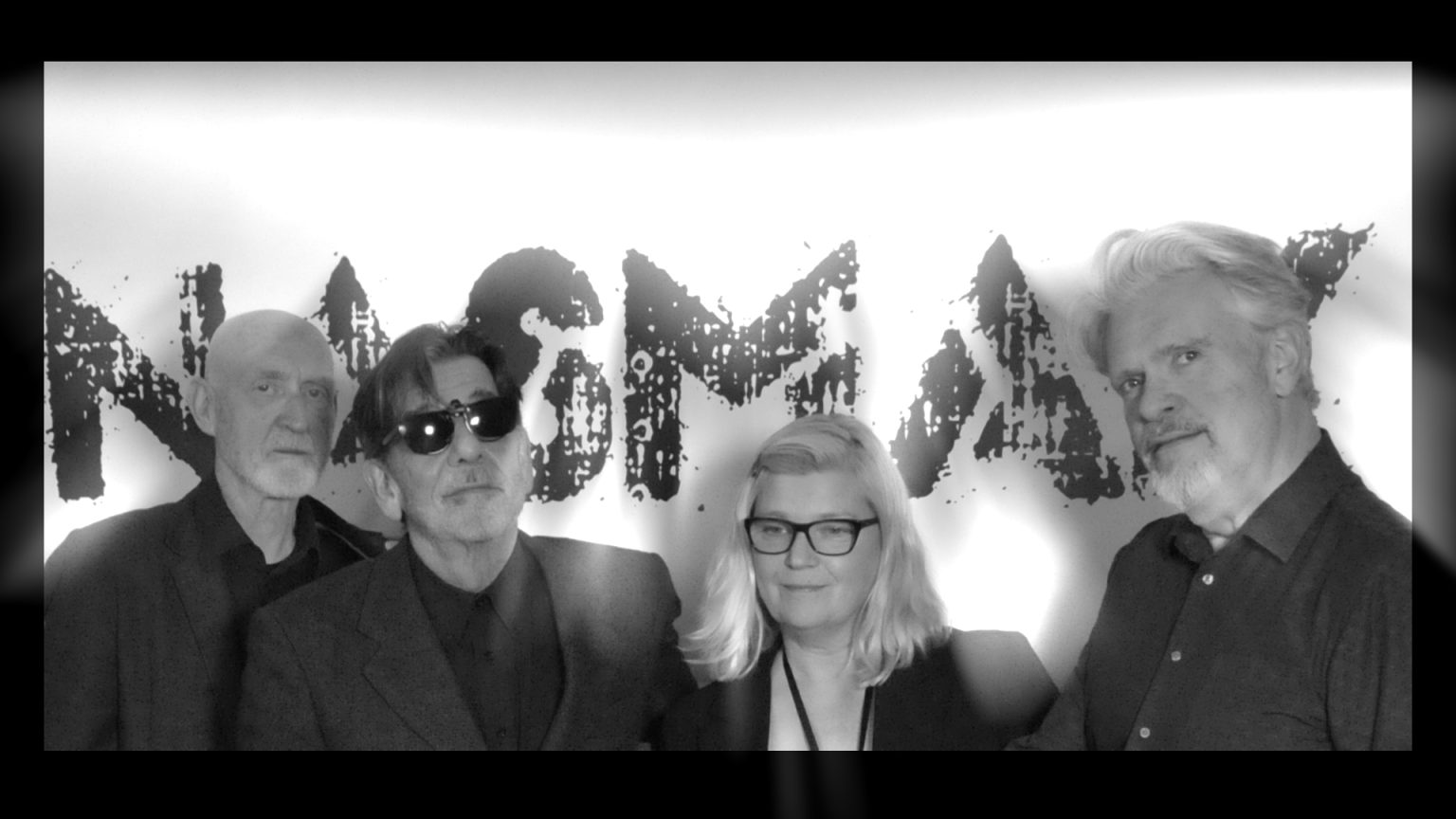
NASMAK (PM): Past Moves
Nasmak is an experimental new wave band from Nuenen that was founded in
1978 (as Nasmaak, a name that was renamed Nasmak a year later, because
no more Dutch songs were played). Both nationally and internationally,
Nasmak has achieved success with a combination of the traditional
guitar-bass-drums setup and experimentation with sound, such as the use
of a crackling synthesizer, tapes, and sequencers.
In 1978 the band started out with Toon Bressers and Joop van Brakel,
both former members of weekend band The Common Starecase, Henk Janssen
and Koen Anker. Soon after that they entered into a collaboration with
Truus de Groot, who was a former member of the Foolsband Doe Maar
(later: Doe Maar).
In 1980 Theo Van Eenbergen joined the band (to replace Koen Anker) and
their first LP on the Plurex label, ‘Nasmak Plus Instruments/Instruments
Plus Nasmak’, was released. The album was received very positively and
was named the best album on the European continent in years by the
authoritative English disc jockey John Peel. Nasmak was one of the first
Dutch bands to perform a Peel Session in London.
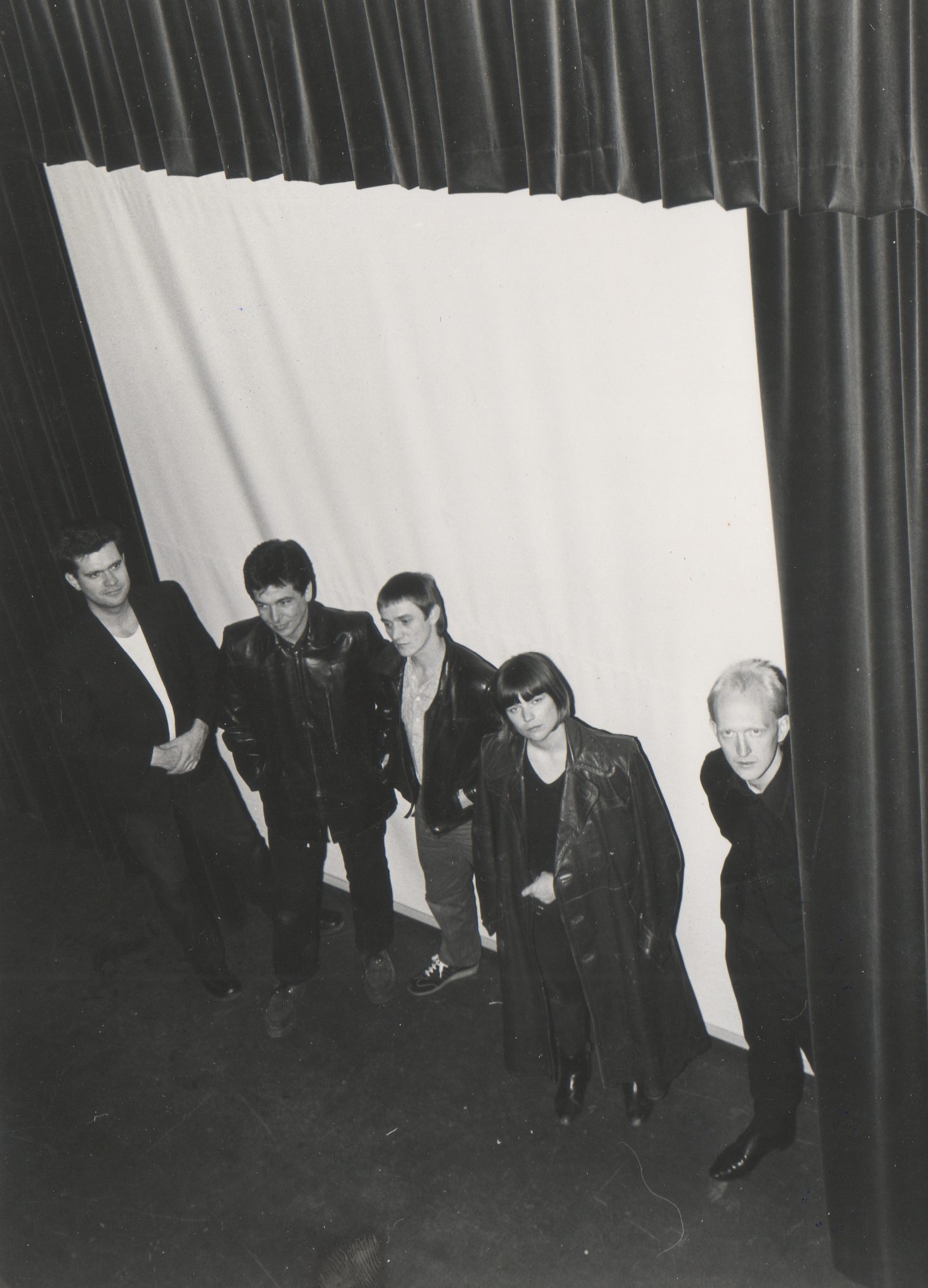
fltr toon-henk-theo-truus-joop (picture by Mick Johnson)
In 1981 Truus de Groot moved to New York and formed a new line-up of
Plus Instruments there, which included Lee Ranaldo on guitar and David
Linton on drums. This line-up released one LP entitled February-April on
the Kremlin Records label. Plus Instruments continued in various
formations and released a number of albums over the years to the
present, as well as solo albums by Truus and her collaborative effort
with Brazilian Miguiel Barella, Blue Beast.
In 1982 Nasmak released 4our Clicks. This LP was proclaimed by music
magazine OOR as ‘perhaps the best record ever made by a Dutch group’.
The album contains inventive music that is very original by Dutch
standards and is therefore considered a classic. In 2000 the album
ranked 8th in the OOR-poll “Best Dutch Albums of the 20th Century”.
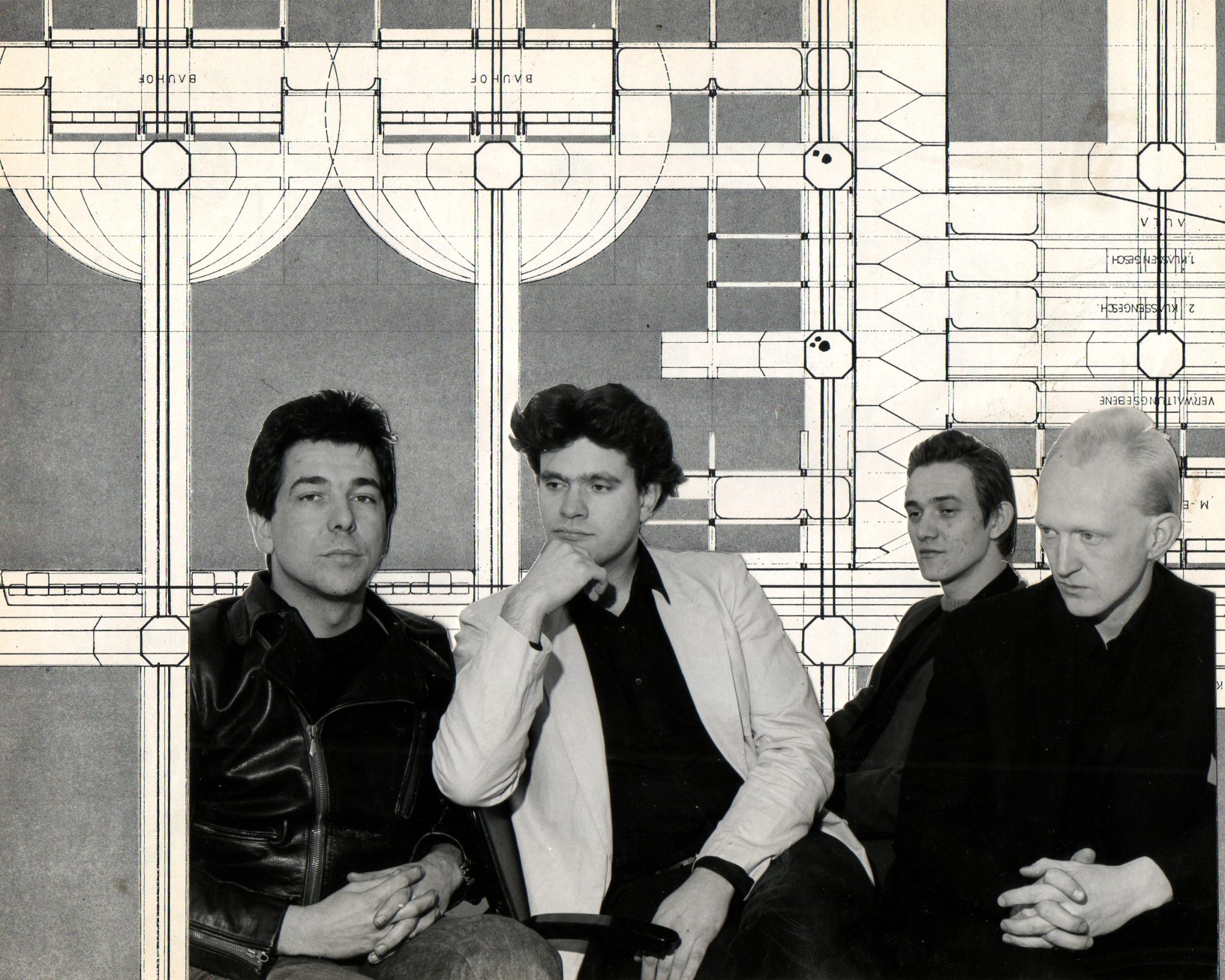
fltr henk-toon-theo-joop (picture by Mick Johnson)
Nasmak was a live band par excellence, a thrilling and hypnotic machine
at its best moments. Another trademark of the band was its
unpredictability.
Nasmak rarely if ever played the material from the just released album,
but immediately threw himself into new material. There was plenty of
improvisation on stage.
Van Brakel left the band in 1983, shortly before the release of the
album Duel (on which he still contributed), and moved to Amsterdam, with
the intention of working with Dirk Polak (formerly Mecano).
After his departure, Nasmak changed course, recorded the album
Silhouette (1983) and decided on a final tour in 1984, with an expanded
line-up. Then Henk, Toon and Theo and friends founded a recording studio
in Eindhoven (Tango Studio, until 1991).
All members of Nasmak, including De Groot, have since worked together in
partial formations. As a collective they created Nasmak PM (PlusMinus)
in 2018.
PM mainly stands for PlusMinus, to indicate that the line-up is variable
and it is not just about the old Nasmak: members have left, or are
sometimes unavailable, and there is also a desire to be able to work
with guests.
Nasmak PM started 40 years after the founding of Nasmak by Joop, Henk
and Toon.
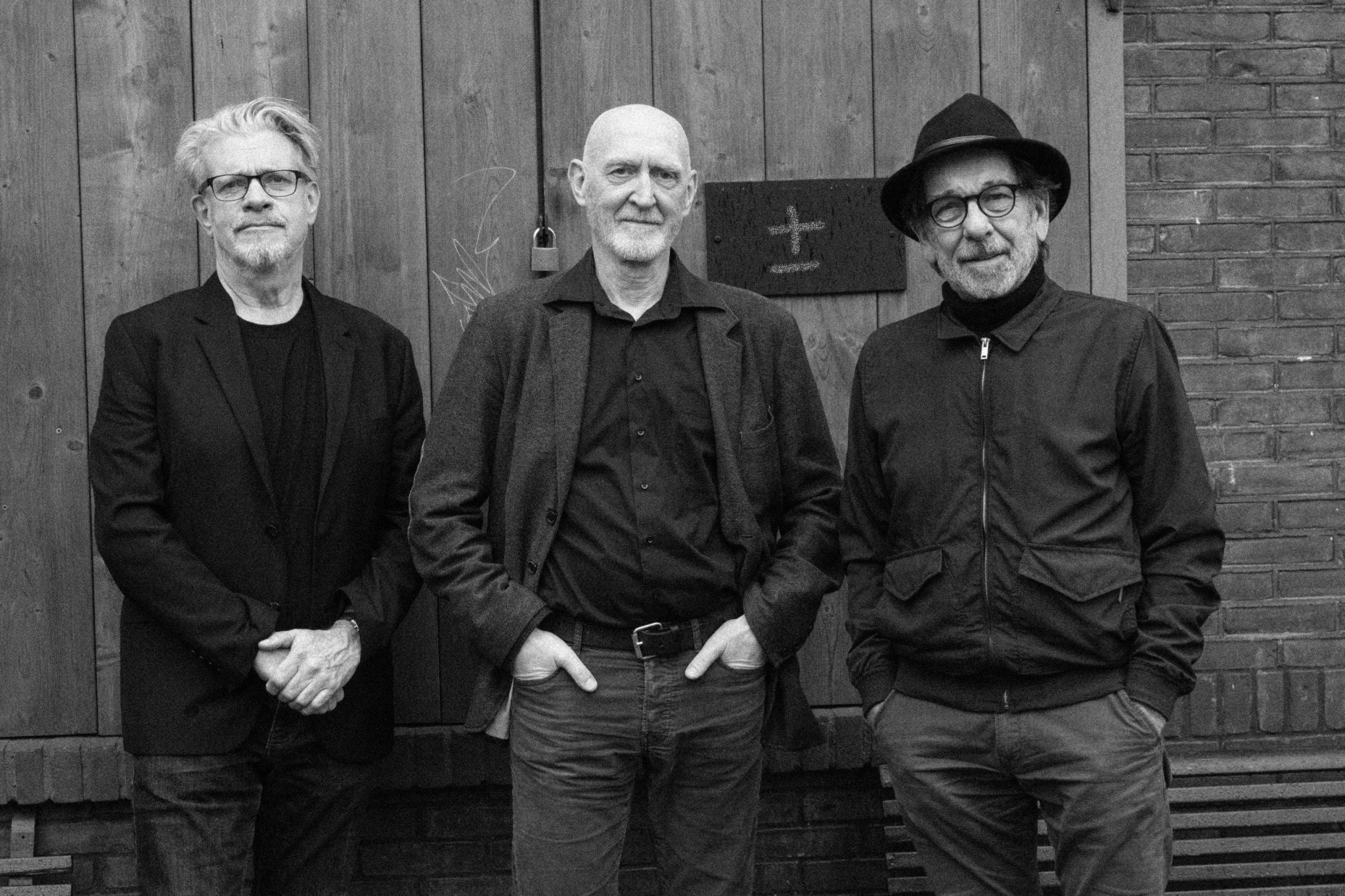
fltr toon-joop-henk (picture by Jules Bressers)
In the photo then used in Eindhovens Dagblad you can see the plus-minus
sign on the storage space behind them. They discovered that there’s more
in store when unlocking it. PM has Plural Meanings: Nasmak’s approach is
to present a coherent PM-series, like the band’s Indecent Exposure
cassette series 40 years ago but now as successive albums (digital and
CD) of 30 to 40 minutes each. Nasmak calls their music “densemusic”. On
most PM tracks danceability is paramount, the music is often
‘discoconnected’ and often ‘odddance’, wrapped in pop music. The lyrics,
apart from being primarily musical components, assume to be mantras of
life, lust, denial and escape, success and failure. And two or three
more things, maybe.
PM1 Perpetuum Moblie: “It’s Long Since You last Did Me” (2023) is the
first album of this renewed collaboration. It is called Perpetuum
Mobile, because the 9 tracks on it are related to material from the
early Nasmak days.